Author: tygas

  • How to Do Things You Hate: Lessons from Peter Hollins

    How to Do Things You Hate: Lessons from Peter Hollins

    It was one of those afternoons. Energy gone. Procrastination wrapping around me like chains. Bills on the table. Emails stacking. My workspace a battlefield of clutter. That’s when I hit play on Peter Hollins’ audiobook, How to Do Things You Hate.

    His voice wasn’t fluff. It wasn’t hype. It was real. Straight talk. Like a fellow warrior saying: Get up. Move forward. Stop hiding.

    And the lessons hit me like a wake-up call.


    1. Accept Discomfort

    Growth is pain. Hollins made it clear: it’s not about avoiding discomfort, it’s about owning it. You don’t need to like the task. You just need to face it. Every distasteful chore is training. Every moment of resistance is a chance to sharpen discipline.


    2. Win Small

    The mountain is climbed one step at a time. Hollins calls it the power of small wins. Break the beast into pieces. One bill. One email. One drawer organized. Stack victories. Momentum builds. Discipline compounds.


    3. Visualize Victory

    Before the fight, see the outcome. Hollins’ visualization exercises aren’t soft—they’re strategic. Picture the relief when the task is done. Picture the order after the chaos. That vision is fuel. It drags you forward when willpower runs dry.


    4. Stay Present

    The dread of a task is heavier than the task itself. Hollins taught mindfulness. Focus on the now. Not the dread. Not the what-ifs. Just the action in front of you. One breath. One movement. One stroke of the pen, one click of the key.


    5. Build the Growth Mindset

    Fixed mindset says, I can’t. Growth mindset says, I’ll learn. Hollins hammered this home. Every hated task is training. Every challenge is a chance to adapt, evolve, and strengthen.


    6. Prioritize with Clarity

    Chaos kills momentum. Clarity builds it. Hollins showed how to strip away noise and zero in on what matters most. Order the battlefield. Attack the high-value targets first.


    7. Reward Discipline

    Discipline is the foundation. But reward locks it in. Hollins stressed the power of positive reinforcement. Finish the job, then enjoy the win. Not before. Not during. After. That’s how you train the mind to embrace the grind.


    Final Thought

    Doing what you hate isn’t about tricks or hacks. It’s about discipline. It’s about confronting discomfort, stacking small wins, and owning the process. Hollins’ words are a reminder: stop waiting to feel motivated. Start moving. Motivation follows action.

    PS: take action right now:
    ☑︎ Start treating every hated task as training, a chance to learn, adapt, and grow.
    Write down this task now!

    Whats the task?

  • How to Change Anyone’s Mind Without Forcing It

    How to Change Anyone’s Mind Without Forcing It

    Lessons from The Catalyst by Jonah Berger

    Change isn’t about pushing harder. It’s about removing obstacles. Jonah Berger’s book The Catalyst: How to Change Anyone’s Mind gives a clear framework. Instead of brute-force persuasion, you work like a strategist — identify friction, remove resistance, and create momentum.

    Here’s the action plan, broken down into Berger’s REDUCE framework — optimized so you can apply it, not just read it.


    1. Reduce Reactance

    The Problem: Push people too hard, and they push back harder. It’s human instinct — a defense of autonomy.

    The Move: Stop shoving. Give options. Ask questions instead of giving orders. Frame change as an invitation, not a command.

    Action Step:

    • Replace “You must” with “What if?”
    • Offer two paths forward so the choice feels theirs.

    2. Ease Endowment

    The Problem: People cling to what they already have. It feels safer. It feels “theirs.”

    The Move: Show them what they gain by letting go. Shift focus from loss to advantage.

    Action Step:

    • Use contrast: “Right now you get X. With this, you gain Y + Z.”
    • Tell stories of people who moved on and thrived.

    3. Shrink Distance

    The Problem: Big leaps feel impossible. Too far. Too risky.

    The Move: Close the gap. Break change into smaller, achievable steps that build momentum.

    Action Step:

    • Split the vision into short-term wins.
    • Highlight the next 1% improvement, not the 100% transformation.

    4. Alleviate Uncertainty

    The Problem: Fear of the unknown locks people in place.

    The Move: Make the future less scary. Replace doubt with clarity and proof.

    Action Step:

    • Give demos, examples, and test runs.
    • Show case studies of success.
    • Remove as much “unknown” as possible.

    5. Find Corroborating Evidence

    The Problem: One voice isn’t enough. People trust what others already believe and do.

    The Move: Stack the proof. Use social validation.

    Action Step:

    • Share testimonials.
    • Point to peer adoption: “Others in your position are already doing this.”

    6. Become the Catalyst

    The Problem: Forcing creates resistance. Guiding creates adoption.

    The Move: Think like a catalyst. Don’t push. Clear the path.

    Action Step:

    • Focus on barriers, not brute force.
    • Ask: “What’s blocking them from change?” Then remove it.

    7. Apply the REDUCE Framework Daily

    The System: Berger condenses it into REDUCE — your checklist for driving change:

    • Reduce Reactance
    • Ease Endowment
    • Distance (shrink it)
    • Uncertainty (alleviate it)
    • Corroborating Evidence

    Action Step:

    • Before pitching an idea, walk through REDUCE. Identify which barrier is strongest — and tackle that first.

    Final Takeaway

    Changing minds isn’t about force. It’s about discipline. Remove barriers. Build trust. Shrink fear. Add proof. The result? Change becomes natural, not resisted.

    If you want to lead — whether in business, leadership, or life — learn to be the catalyst, not the bulldozer.


  • GPT prompts principles backed by testing

    1. Use Direct, Non-Polite Prompting

    Description: Skip fluff like greetings or politeness—jump straight to what you want. Think of it like giving orders to a tool, not chatting with a friend. Why It Works: Reduces token waste and focuses the LLM on the core task, improving efficiency (per studies on prompt brevity in models like GPT-4 and Grok). Example: Instead of “Could you please explain quantum computing politely?”, use: “Explain quantum computing. No fluff.”

    2. Get Straight to the Point

    Description: Avoid phrases like “I would like…”—state your request clearly and immediately, as if you’re an expert briefing another expert. Why It Works: Minimizes ambiguity and aligns with zero-shot prompting, where concise inputs yield precise outputs. Example: “Generate a React component for a responsive navbar using Tailwind CSS. Include hooks for state management.”

    3. Break Down Complex Tasks

    Description: Split big jobs into smaller steps, prompting interactively like a conversation where each response builds on the last. Why It Works: Mirrors iterative development in engineering; latest CoT variants use this for complex reasoning without overwhelming the model. Example: First prompt: “Outline steps to build a full-stack app with Next.js and MongoDB.” Follow-up: “Now expand step 3: Set up API routes.”

    4. Embrace Precision

    Description: Use exact words, avoid vague terms like “blah,” and focus on positive, specific instructions to guide the LLM tightly. Why It Works: Precision reduces hallucinations; recent benchmarks show it boosts accuracy in factual or technical tasks. Example: “Calculate the area of a circle with radius 5. Use formula \(A = \pi r^2\). Output in JSON: {‘area’: value}.”

    5. Explain Like I’m 11 (ELI11)

    Description: Simplify concepts to a smart kid’s level—use everyday examples, short sentences, and analogies without dumbing down the core idea. Why It Works: Builds understanding step-by-step; combines with CoT for educational prompts. Example: “Explain blockchain like I’m 11: Use a lemonade stand analogy. Then add a test with 3 questions, no answers.”

    6. Explain Like to a 5-Year-Old (ELI5)

    Description: Break it down even simpler, like telling a story to a little kid—use basic words, fun examples, and no jargon. Why It Works: Forces clarity; useful for initial conceptual grasps before diving into technical details. Example: “Explain JavaScript promises like to a 5-year-old. Use a story about waiting for ice cream.”

    7. Add a Tip Incentive

    Description: Motivate the LLM by promising a fictional “tip” for better output, framing it as a reward for quality. Why It Works: Leverages psychological prompting (e.g., from Anthropic’s research on incentives improving creativity). Example: “Optimize this CSS grid layout for mobile. I’m going to tip $200 for a better solution!”

    8. Format Prompts Structuredly

    Description: Organize prompts with headers like ###Instruction###, ###Example###, and ###Question### to separate sections clearly. Why It Works: Structured inputs guide parsing in LLMs, reducing errors (inspired by XML-like tagging in recent prompt frameworks). Example:

    ###Instruction###
    Write a blog post on React hooks.
    ###Example###
    Start with: "Hooks changed React forever..."
    ###Constraints###
    Keep under 500 words.
    
    9. Incorporate Details (Context, Examples, Constraints, Input Data)

    Description: Always add relevant background, samples, rules, or data to ground the prompt. Why It Works: Enhances few-shot learning; latest techniques use this for in-context learning without fine-tuning. Example: “As a senior front-end engineer, refactor this code. Context: It’s for a e-commerce site. Constraints: Use TypeScript, max 80 chars per line. Input: [paste code here].”

    10. For Writing Tasks (Essays, Texts, etc.)

    Description: Specify the format (e.g., essay, blog) and style, then provide structure or key points. Why It Works: Directs creative output; combines with role-playing for consistent tone. Example: “Write a casual blog post on Vue vs. React. Structure: Intro, pros/cons, conclusion. Assign role: You’re a witty tech blogger.”

    11. Use Delimiters

    Description: Mark sections with symbols like — or “` to separate input parts clearly. Why It Works: Helps LLMs parse multi-part prompts; a staple in advanced engineering like ReAct prompting. Example:

    Task: Summarize this text.
    ---
    Text: [paste text here]
    ---
    Output format: Bullet points.
    
    12. Add a Follow-Up Question

    Description: End responses with a question to encourage iteration, like checking understanding or inviting more input. Why It Works: Promotes interactive dialogue; aligns with conversational AI best practices. Example: After generating code: “Human, is that the answer? Does that make sense? Do you have questions to ask or develop?”

    13. Allow Clarifying Questions

    Description: If a prompt is unclear, have the LLM ask for details before proceeding. Why It Works: Reduces errors in ambiguous scenarios; part of agentic prompting in tools like LangChain. Example: “Design a UI component. If anything is unclear, ask clarifying questions first.”

    14. Inquire with Specifics (Who, What, When, Where, Why, How)

    Description: Frame questions using these words to dig into details precisely. Why It Works: Structures information retrieval; enhances factual accuracy in search-like tasks. Example: “Research WebAssembly: What is it? How does it work in browsers? Why use it for front-end?”

    15. Teach with a Test

    Description: Explain a topic, then add a quiz at the end without answers to test comprehension. Why It Works: Reinforces learning; combines ELI5/ELI11 with active recall techniques. Example: “Teach me about CSS Flexbox and include a test at the end, but don’t give me the answers.”

    16. Assign a Role

    Description: Give the LLM a persona (e.g., expert, critic) to shape its responses. Why It Works: Improves consistency; a core of role-based prompting in models like Grok. Example: “You are a sarcastic code reviewer. Critique this JavaScript function.”

    17. Repeat Key Phrases

    Description: End or emphasize by repeating a crucial instruction for reinforcement. Why It Works: Aids memory in long contexts; from repetition techniques in prompt optimization. Example: “Generate secure API endpoints. Prioritize security. Prioritize security.”

    18. Use Chain-of-Thought (CoT)

    Description: Instruct the LLM to think step-by-step before answering. Why It Works: Boosts reasoning; foundational in papers like “Chain-of-Thought Prompting Elicits Reasoning in Large Language Models.” Example: “Solve this bug in React state. Step 1: Identify issue. Step 2: Propose fix. Step 3: Code it.”

    19. Combine CoT with Few-Shot Prompts

    Description: Provide 2-3 examples, then add CoT for the new task. Why It Works: Merges exemplars with reasoning; state-of-the-art for tasks like code generation. Example: “Example 1: Input: Sum 2+3. CoT: Add them -> 5. Now, for 4*5: Think step-by-step.”

    20. Prompt for Styled Output

    Description: Request output in a specific style, like “drunken” or “formal to casual.” Why It Works: Controls tone; useful for creative or corrective writing. Example: “Rewrite this formal email in a drunken style: [paste text].”

    21. Correct Text with Style Changes

    Description: Fix errors while optionally shifting style (e.g., formal to casual), revising paragraph by paragraph. Why It Works: Iterative editing; aligns with diffusion-like prompting for text refinement. Example: “Revise this paragraph casually without changing core meaning: [paste text]. Do every paragraph.”

    22. Handle Complex Code

    Description: For intricate code, specify modifications or comparisons to existing files. Why It Works: Supports modular engineering; integrates with tool-calling for code tools. Example: “Modify this file to add authentication. Different from original: Use JWT instead of sessions. [paste code].”

    23. Create or Modify Files

    Description: Instruct creation or editing of files, inserting code as needed. Why It Works: Simulates IDE workflows; pairs with serialized output for automation. Example: “Create a new TypeScript file: index.ts. Insert this code: [paste snippet]. Format with Prettier, 80-char width.”

    24. Use Direct Prompting for General Tasks

    Description: Keep prompts straightforward and action-oriented for everyday queries. Why It Works: Baseline for zero-shot; efficient for quick info or generation. Example: “List top 5 front-end trends in 2025.”

    25. Find Information and Keep Conversation

    Description: Search or recall info on specific words/topics, then continue the dialogue. Why It Works: Uses tool-calling (e.g., web search); maintains context in multi-turn chats. Example: “Find on the web: Latest React 19 features. Then ask: What do you want to know next?”

    26. Chain Requirements

    Description: List must-follow rules in sequence to ensure compliant output. Why It Works: Enforces constraints; similar to rule-based prompting in safety-aligned models. Example: “Generate HTML: 1. Use semantic tags. 2. Add ARIA attributes. 3. Validate for accessibility.”

    27. Use Tools or Serialize Output

    Description: Invoke tools (e.g., APIs) when needed, and format output as serialized data like JSON. Why It Works: Enables integration with external systems; from agentic frameworks like AutoGPT. Example: “Use a math tool to solve \(x^2 + 3x – 4 = 0\). Output in JSON: {‘roots’: [values]}.”Human, is that the answer? Does that make sense? Do you have questions to ask or develop?

  • Instant Skill Blueprint GPT


    Act like a world-class instructor. Give me a detailed 7-day plan to master [specific skill] with daily actionable steps.

      2. Reverse Engineer Any Success

      Prompt:

      “Analyze this top-performing website/social profile [insert URL]. List the exact steps they took to succeed and how I can replicate it.”

      3. Daily Growth Habits

      Prompt:

      “Give me a 10-minute daily routine to quickly master [specific skill or topic]. Make it realistic, simple, and effective.”

      4. Business Model Decoder

      Prompt:

      “Explain exactly how [specific business model, e.g. SaaS, dropshipping, digital products] works. Give me a realistic action plan to start today.”

       Fast Monetization Method

    1. Moterys tiesiog kitokios

      Netgi pas pačias stipriausias moteris baigiasi jėgos.
      Ramybė ir darna šeimoje yra nepalyginamai svarbiau už naivų ir vaikišką vyro “teisingumą”. Pragyvenęs 30 metų šeimoje aš palaipsniui suvokiau, kad moterys – tai kitokia gyvenimo forma.


      Mane apgaudinėjo. Apgaudinėjo mokykloje, darbe, draugų rate ir net per televizorių. Klaidino tėvai, seneliai, net dvasininkai. Aš užaugau keistu ir neteisingu matriarchato laikotarpiu. Mane apgaudinėjo ir aš patikėjau. Patikėjau, kad moterys yra beveik tokios pačios kaip vyrai. Jos irgi gali nešioti kedus, džinsus ir lankyti karate. Būti vadovės, direktorės ir puikios vairuotojos. Ir viskas lyg ir tiko ir atitiko. Na, šiek tiek kita fiziologija, šiek tiek žemesnio ūgio ir šiek tiek už mus vyrus gražesnės..
      Aš atskleidžiau paslaptį, kurią visa mūsų visuomenės sistema slėpė – mes skirtingi.
      Pasirodo šioje planetoje gyvena dvi skirtingos žmogaus gyvybės formos. Ir moterys…jos kitokios. Jos egzistuoja ant labai keistų ir mums vyrams nesuvokiamų principų. Ir neverta stengtis pilnai tų principų suvokti. Užtenka patikėti, kad jie yra.
      Moteris gyva vyro dėmesiu ir rūpesčiu. Jų baterija pasikrauna nuo švelnių žodžių ir ramių, nuoširdžių vyrų apkabinimų. Jos tampa neišsenkančiais generatoriais nuo paprastų žodžių – “Tu man esi vienintelė ir tave vieną myliu šiam pasaulyje. Tu puiki mama ir nuostabi žmona. Aš be galo laimingas ir palaimintas, kad sutikau Tave. Tu man gražiausia ir tobuliausia moteris, apie kurią aš svajojau visą savo gyvenimą”.
      Vėjas pakelia burininko bures, užklimpęs automobilis pajuda, ant perdžiūvusios žemės krenta gaivinantys lietaus lašai.
      Aš ilgai negalėjau suvokti, kad šeimoje teisingumo nėra. Ir kad šeima nėra teismo salė, kur yra teisūs ir neteisūs. O juk taip veikia mūsų vyriškos smegenys! Mes vyrai gyvenam principu “Akis už akį, dantis už dantį”. Ir didžiausia klaida, kokią mes vyrai darome – taikome šį savo instinktą moterims! Jeigu jūsų moteris prie jūsų priėjo ir pradėjo “knisti protą”, “ūžti ausis”, priekaištauti, šaukti – tai reiškia ne puolimą!! Kaip mes visi klydome.. Tai pagalbos prašymas, malda jai padėti, ją išgelbėti. Niekada nekirskite atgal. Niekada. Čia suveikė paprasčiausia signalizacija – baigiasi kuras. Nusėdo baterija. Ji pavargusi, išsekusi ir persitempusi nuo to nežmoniško krūvio ir įtampos. Ir ateina ji pagalbos ne pas ką kitą, o pas savo mylimą vyrą. Pakrauk mane, apkabink mane, mano saugotojau. Mano gelbėtojau, mano vienintele siena. Be tavo palaikymo, pagalbos, švelnumo aš pražūsiu. Aš vystu, man svyra rankos.
      Kirto per žandą – atsuk kitą. Įkando – pabučiuok, apkabink. Grįždavau iš darbo, pavargęs ir nervuotas, parnešdamas pinigus – o namie dar skandalas. Taip norėdavosi pasielgt “teisingai” ir atsikirst atgal ir atstatyti teisingumo jausmą. Arba bent jau išdidžiai pratylėti ir įkalt ignorą. Ir aš klydau. Nereikia gyvent pagal principą – skrido du krokodilai, vienas žalias, kitas į kairę. Žmona pradėjo nervintis, priekaištauti – vadinasi laikas viską mesti ir jai padėti. Juk ji tau viena. Ir vėl pasakyti jai tuos žodžius, bučiuoti ją ir saugoti. Nuoširdžiai. Chaltūra čia nepraeis. Bet kokios lėkštos frazės ar nenuoširdumas iššauks tik atvirkštinę reakciją. Kas moteriškoje kalboje reikš – “netikiu…nejaučiu, bandyk iš naujo, prašau”.
      Nėra santykiuose teisingumo mūsų vyriškąja prasme. Yra dvi skirtingos gyvenimo formos. Yra keisti, nepaaiškinami veiksmai ir elgesys po kuriuo Visata slepia savo Meilės ir Gyvybės paslaptį. Sudėtingą vyrams bet paprastą ir aiškią moterims. O vertėjų, kurie jums visą laiką viską vers kaip google translate – nėra. Todėl dauguma vyrų gyvena iliuzijoje, neteisingame pasaulio suvokime. Jie vis dar žiūri į savo moteris kaip į vyrus su kiek kitokia fiziologija ir bando užmegzti dialogą būtent taip. Arba žiūri į moteris kaip į savo dukras – silpnas ir naivias mergaites, kurias reikia saugoti ir kurios nieko nesupranta.


      Net pas stiprias moteris baigiasi jų jėgos. Net stiprių šeimų laivas pradeda skęsti. Nelaistomos gėlės vysta. Mirštant jos dar šaukia, maldauja pagalbos ir iš paskutiniųjų bando kelti savo galvęlę į saulę.

    2. How to Finish Everything You Start

      How to Finish Everything You Start

      Jan Yager:

      1. Ruthless Prioritization: Not everything is equally important. Identify your core values and goals, then prioritize tasks that align with them. Learn to say “no” to commitments that don’t contribute to your priorities, avoiding overcommitment and scattered focus.

      2. Tame the To-Do List Monster: Break down large, overwhelming tasks into smaller, actionable steps. This makes them seem less daunting, clarifies the process, and provides a sense of accomplishment as you complete each step, keeping you motivated on the path to completion.

      3. Master Your Time Management: Develop effective strategies to utilize your time efficiently. Set realistic deadlines, schedule tasks strategically, and minimize distractions. Consider tools like time trackers and to-do list apps to stay organized and focused.

      4. Embrace the Growth Mindset: View challenges as opportunities to learn and grow, not roadblocks to success. Don’t be afraid to make mistakes; see them as stepping stones on your path. Celebrate progress, even small victories, and leverage setbacks as valuable learning experiences.

      5. Prioritize Self-Care: Don’t pour from an empty cup. Taking care of yourself physically and mentally is essential for sustained energy, focus, and motivation. This includes getting enough sleep, eating healthy foods, exercising regularly, and engaging in activities you enjoy.

      6. The Power of Collaboration: Don’t be afraid to ask for help. Delegate tasks when possible and leverage the expertise and support of others. Collaboration can lighten your workload, bring fresh perspectives, and accelerate progress towards your goals.

      7. Embrace Continuous Improvement: Reflect on your progress regularly and adjust your approach as needed. Be open to learning and adapting your strategies based on experience. Don’t be afraid to change your plans if they no longer serve you effectively.

      https://archive.org/details/finish-what-you-start-the-art-of/page/n11/mode/2up

    3. Mudras

      Uttarabodhi Mudra – उत्तराबोधि मुद्रा

      Uttarabodhi Mudra - उत्तराबोधि मुद्रा

      Dhyana Mudra – ध्यान मुद्रा

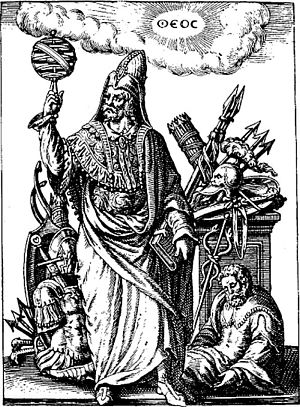
    4. Key Teachings of the Corpus Hermeticum:

      Key Teachings of the Corpus Hermeticum:

      The Corpus Hermeticum is a collection of writings attributed to Hermes Trismegistus, a legendary Hellenistic figure combining aspects of the Greek god Hermes and the Egyptian god Thoth. These texts cover various philosophical, spiritual, and mystical topics, and they have influenced a wide range of esoteric and philosophical traditions throughout histo

      1. Divine Wisdom and Knowledge:
        • The texts emphasize the pursuit of divine wisdom and understanding. They explore the nature of the divine, the cosmos, and the human soul.
        • Action: Engage in regular study and contemplation of the texts. Reflect on the nature of the divine and seek to understand deeper metaphysical truths.
      2. The Unity of All Things:
        • A central theme is the idea of the unity and interconnectedness of all things. The divine, the cosmos, and humanity are all interconnected parts of a single whole.
        • Action: Practice mindfulness and awareness of the interconnectedness of life. Foster a sense of unity and compassion in your interactions with others and the world.
      3. Spiritual Transformation:
        • The writings often focus on personal spiritual transformation and the ascent of the soul. This involves purifying oneself, attaining knowledge, and ultimately achieving unity with the divine.
        • Action: Develop a regular spiritual practice, such as meditation, prayer, or contemplation, aimed at personal growth and transformation.
      4. Gnosis (Knowledge):
        • Gnosis, or direct experiential knowledge of the divine, is a key goal. The texts encourage seekers to transcend ordinary understanding and attain deeper spiritual insights.
        • Action: Seek experiential knowledge through practices that promote direct inner experiences, such as meditation, contemplation, and other spiritual exercises.
      5. Moral and Ethical Living:
        • The Corpus Hermeticum advocates for living a virtuous and ethical life. It emphasizes the importance of virtues such as wisdom, truth, and purity.
        • Action: Cultivate virtues in your daily life. Strive to live with integrity, honesty, and compassion in all your actions.

      Action Plan for Engaging with the Corpus Hermeticum:

      1. Set Clear Intentions:
        • Define your goals for studying the Corpus Hermeticum. Are you seeking spiritual growth, deeper knowledge, or personal transformation? Setting clear intentions will guide your study and practice.
      2. Regular Study:
        • Dedicate regular time to reading and reflecting on the texts. Take notes, highlight key passages, and contemplate their meanings.
        • Consider reading reputable translations and commentaries to gain deeper insights.
      3. Meditation and Contemplation:
        • Incorporate meditation and contemplation into your routine. Use these practices to internalize and reflect on the teachings.
        • Focus on themes such as unity, divine wisdom, and personal transformation during your meditation sessions.
      4. Ethical Practice:
        • Apply the moral and ethical teachings in your daily life. Practice virtues such as honesty, integrity, and compassion in your interactions with others.
        • Reflect on your actions and strive to align them with the principles outlined in the texts.
      5. Seek Community and Guidance:
        • Engage with a community of like-minded individuals who are also interested in the Corpus Hermeticum. Join study groups, online forums, or attend workshops and lectures.
        • Consider seeking guidance from teachers or mentors who have a deep understanding of Hermetic philosophy.
      6. Integrate with Modern Life:
        • Find ways to integrate the teachings into your modern life. Balance your spiritual pursuits with your professional and personal responsibilities.
        • Use the insights gained from the Corpus Hermeticum to enhance your work, relationships, and overall well-being.

      By following this action plan, you can engage deeply with the Corpus Hermeticum and integrate its teachings into your life, fostering spiritual growth, wisdom, and personal transformation.

    5. Eimantas

      Lithuanian origin and can be broken down to its meaning to find an Arabic equivalent. “Eimantas” generally means “thoughtful, wise man.”

      In Arabic, a name with a similar meaning would be “حكيم” (Hakim), which means “wise” or “judicious.” Another name could be “فكري” (Fikri), which means “thoughtful” or “intellectual.”

      So, the Arabic equivalents of the name “Eimantas” could be:

      1. حكيم (Hakim) – wise, judicious (protingas)
      2. فكري (Fikri) – thoughtful, intellectual


        Eimantas in arabic would be written:

      إيمانتاس


      إ‘I’ (like the “ee” in “see”)إ
      ي‘Y’ (like the “y” in “yes”)ي
      م‘M’ (like the “m” in “man”)م
      ا‘A’ (like the “a” in “father”)ا
      ن‘N’ (like the “n” in “no”)ن
      ت‘T’ (like the “t” in “top”)ت
      ا‘A’ (like the “a” in “father”)ا
      س‘S’ (like the “s” in “see”)س


      Read right to left direction as the

    6. I asked GOD

      Words of Wisdom: I Asked God

      I asked God to take away my #pain.
      God said, No. It is not for me to take away, but for you to give it up.

      I asked God to make my handicapped child whole.
      God said, No. His spirit was whole, his body was only temporary.

      I asked God to grant me patience.
      God said, No. Patience is a by-product of tribulations; it isn’t granted, it is earned.

      I asked God to give me happiness.
      God said, No. I give you blessings. Happiness is up to you.

      I asked God to spare me pain.
      God said, No. Suffering draws you apart from worldly cares and brings you closer to me.

      I asked God to make my spirit grow.
      God said, No. You must grow on your own, but I will prune you to make you fruitful.

      I asked for all things that I might enjoy life.
      God said, No. I will give you life so that you may enjoy all things.

      I ask God to help me LOVE others, as much as He loves me.
      God said… Ahhhh, finally you have the idea.

      (c) @IronWill